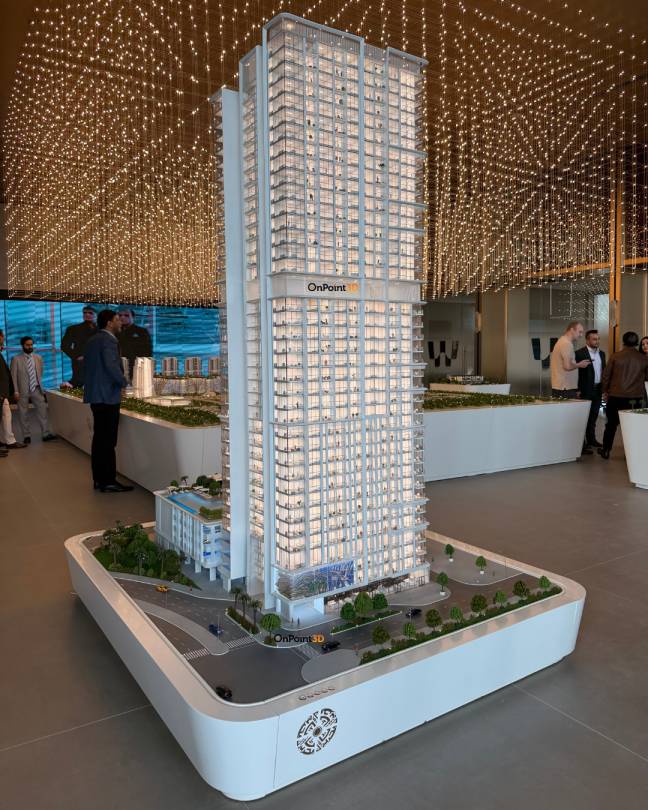
Bridges connect our world by spanning gaps and linking communities together. These structures stand as symbols of engineering that fix daily travel problems. Every great bridge starts as a small physical version to test how it looks and works.
Creating these miniature designs is a special skill that brings big ideas to life. Experts use many smart methods during architectural model making Dubai to ensure every detail is perfect.
Using laser cutting for precision:
Modern bridge models need perfect lines and exact measurements to look realistic. Laser cutting machines allow builders to cut complex shapes with incredible accuracy every single time. This technology helps in creating tiny cables and thin support beams that would be impossible to make by hand.
Choosing the right materials:
The first step in building a bridge model involves picking strong and light materials. Most builders use acrylic or high quality plastic because these materials can support weight without bending. Wood is also a popular choice for traditional designs because it is easy to cut and shape. The material must match the real structure so that the small version looks exactly like the final project.
3D printing complex shapes:
Some infrastructure projects have curved walls or strange shapes that are hard to build using flat sheets. 3d printing has changed the way these parts are made by building them layer by layer from a digital file. This method is great for making bridge piers or decorative parts that have lots of detail. It allows designers to see how three-dimensional shapes look in the real world before they start building.
Adding realistic textures:
A bridge model needs to look like it is made of concrete, steel, or stone to be convincing. Builders use special paints and sprays to give the surface a rough or smooth finish. They might also use tiny bits of sand or gravel to mimic the look of the ground around the bridge. Adding these small touches helps viewers imagine the actual scale of the work.
Building the surrounding environment:
No bridge exists in a vacuum, so the area around it must be part of the model too. Builders create realistic water using clear resin or blue plastic to show how the bridge crosses a river. They also add tiny trees and small cars to give a sense of size and proportion to the viewer. This final step makes the entire scene look alive and helps people see the bridge in its future home.